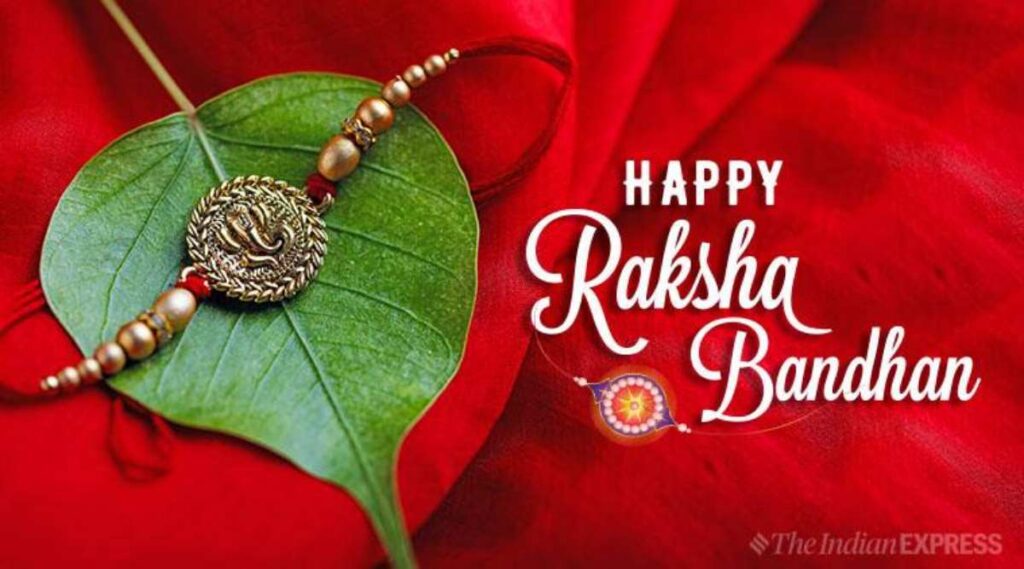
Raksha Bandhan 2025 popularly celebrated as Rakhi, effortlessly weaves together love, protection, and profound cultural meaning. Every year, on the luminous full moon day of the Shravana month—Shravana Purnima, which falls on August 9, 2025—families across India and beyond come together to honor this beautiful tradition
1. Ancient Origins: Threads of Spiritual Guardianship
The roots of Raksha Bandhan 2025 stretch deep into ancient Vedic culture. Early texts detail how sacred threads—rakshasutra—were tied on wrists to ward off evil, symbolizing divine guardianship and goodwill .These threads were not mere decorations; they were amulets of protection, sanctified by rituals and mantras.
This spiritual essence is further reinforced in ancient myths:
- Indra and Sachi: During a battle between gods and demons, Sachi, at Lord Vishnu’s advice, tied a sacred thread on Indra’s wrist. The empowered deity emerged victorious, underscoring the rakhi’s protective power
- Krishna and Draupadi: In the Mahabharata, Draupadi tore a piece of her sari to bind Krishna’s wounded finger. Touched by her act, Krishna vowed eternal protection—capturing the heart of Raksha Bandhan’s sibling bond
- Lakshmi and Bali: Disguised as a Brahmin, Goddess Lakshmi tied a rakhi on King Bali’s wrist, persuading him to grant favor to Lord Vishnu. This tale blossoms into themes of loyalty and divine grace
2. Historical Grandeur: When Rakhis Became Symbols of Alliance
Raksha Bandhan’s emotionally rich symbolism transcends the household and extends into history:
- Rani Karnavati and Emperor Humayun: Facing invasion, Rani Karnavati sent a rakhi to Mughal Emperor Humayun. Deeply moved, he rushed to protect her kingdom—illustrating how Rakhi embodied diplomatic solidarity
- Tagore’s Call for Unity: During the 1905 Bengal partition, Rabindranath Tagore urged Hindus and Muslims to tie rakhis to one another as a potent symbol of communal harmony against British-imposed divisions
Such narratives show how Raksha Bandhan 2025 has served as a bridge between hearts, ideologies, and communities.
3. Modern Rituals: From Family Bonding to Global Connection
Today, Raksha Bandhan 2025 retains its core spirit while evolving to suit global realities:
- Siblings Across Distance: Digital platforms allow sisters to send e-rakhis and gifts, and even conduct virtual tying ceremonies. The physical distance no longer diminishes emotional closeness
- Beyond Brothers and Sisters: The festival has grown to include cousins, friends, mentors, and even influential figures. The rakhi’s promise of protection now symbolizes respect across diverse social bonds
- Social Celebrations and Gratitude: Community events often embrace servicemen and women—police, soldiers, healthcare workers—tying rakhis as tokens of appreciation for societal protectors
4. Cultural Tapestry: Regional Flavors & Festive Innovations
Raksha Bandhan 2025 is celebrated uniquely across India through regional variations:
- Maharashtra (Nariyal Purnima): Alongside tying the rakhi, coastal communities offer coconuts to Varuna, the sea god, seeking blessings and safety for fishermen and their families
- Nepal (Janai Purnima): Here, Rakhi ties converge with the sacred thread-changing ceremony, broadening the observance to include both familial and comunidad rituals
- Creative & Inclusive Trends: In Rajasthani-Mehwari traditions, “Lumba Rakhis” are tied on sisters-in-law, adding zest and expanding familial appreciation. These ornate rakhis are now trending nationwide
- Eco‑Conscious Celebrations: Seed rakhis, which grow into plants when planted, exemplify sustainable celebrations that amplify environmental care alongside familial affection
- Expressions of Community Care: An inspiring story from Jaipur shared how someone tied reflective collars on street dogs as their Rakhi, symbolizing an unconventional yet deeply humane gesture of protection
- Classroom Unity: In Nagpur, students crafted handmade rakhis using paper and cloth, where boys tied them on teachers and peers—blurring gender norms and encouraging solidarity
5. Spiritual Depth: Mantras and Auspicious Rituals
Raksha Bandhan 2025 isn’t just ceremonial; it carries profound spiritual energy:
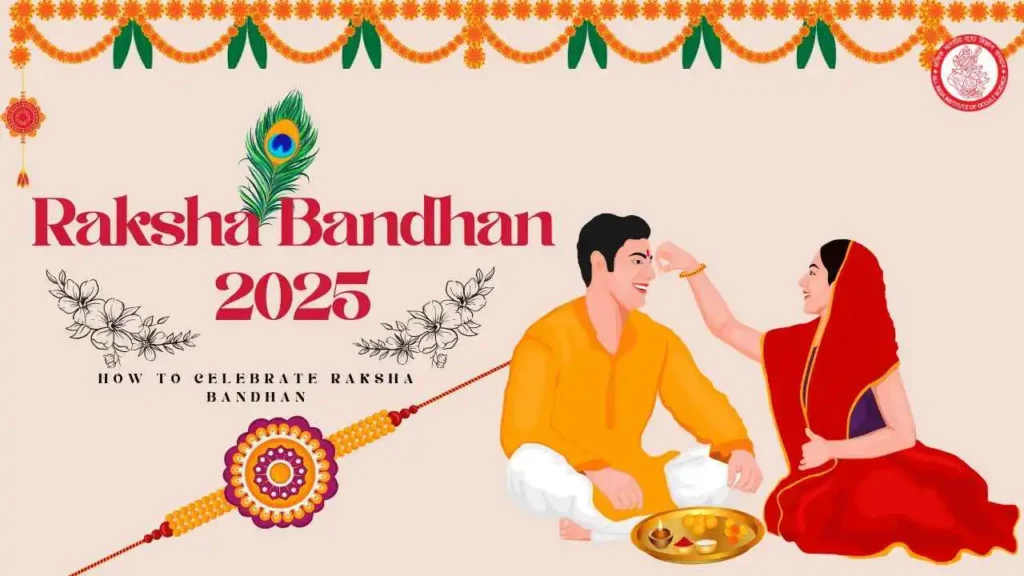
- Sacred Timings and Rituals: Tying rakhi during Aparahna (afternoon) is considered auspicious, following a ceremonial bath, ancestral offerings, and preparing a ritual bundle (Potli) with rice and gold thread
- Mantras for Protection: Chanting verses like “Yena baddho Bali raja…” and the Gayatri Mantra enhances the spiritual potency of the thread—transforming it into a shield against negativity
These ritual layers enrich the Rakhi, making it both a symbolic token and a spiritual vow.
In Conclusion: The Eternal Thread That Binds
From Vedic origins to digital age innovations, Raksha Bandhan 2025 remains a tapestry of emotion, tradition, and transformation. It celebrates not just bloodlines but chosen bonds—the guardianship of love in its diverse forms.
Whether it’s a sister threading the rakhi with prayers, a friend bridging distance over video call, or a community honoring protectors and nature alike—Raksha Bandhan 2025 endures as a living testament to love’s promise: to protect, cherish, and stand together across time.
Would you like help designing a unique rakhi idea, crafting heartfelt messages, or incorporating local traditions? Just let me know—I’d love to assist!