The Rise of Fashionista in 2025
1. Rapid Market Growth
- The Rise of Fashionista in 2025 fashion industry is projected to expand from about $6.5 billion today to $10.1 billion by 2025, with continued growth expected thereafter.
- A Global Market Insights report estimates the sustainable clothing market to grow from $3.9 billion in 2025 to $9.4 billion by 2034, with a robust compound annual growth rate (CAGR) of 10.3%.
2. Material Innovation & Eco-Friendly Practices
- Regenerative agriculture is gaining traction—for example, using cotton, hemp, and wool grown with soil-restoring practices.
- Digital sampling and 3D printing are reducing waste by relying less on physical prototypes and enabling made-to-order production..
- Zero-waste fashion design strategies focus on eliminating textile waste during production, inspired by traditional forms like saris and kimonos.
- Upcycling and circularity are increasingly mainstream: brands repurpose scrap fabrics and second-hand items to create new pieces, supporting longer life cycles for garments.
3. Technology Driving Sustainability
- Digital fashion—from 3D garment simulations to NFT clothes—reduces material waste and supports virtual wearables.
- AI and blockchain technologies are enhancing traceability, demand forecasting, and transparency across supply chains.
- Cutting-edge textile recycling now uses AI-powered sorting systems for efficient, automated waste sorting.
4. Global and Local Sustainability Movements
- Designers worldwide are embracing sustainability through local craftsmanship and ethical production—from Milan’s Federico Cina to India’s Kartik Kumra—prioritizing natural fibers and equitable supplier relationships.
- In India, kala cotton from Gujarat’s Kutch region—grown without water or pesticides—is making a major comeback, empowering farmers and weavers while strengthening sustainable export value.
- Events like Country to Couture showcase Indigenous designers blending cultural storytelling and sustainability, fostering community and ethical empowerment.
5. Gen Z & Circular Consumption
- Over 60% of Gen Z shoppers now explore secondhand options before buying new. The resale fashion market in The Rise of Fashionista in 2025 is projected to hit $350 billion by 2027, with upcycled and thrifted pieces becoming mainstream.
- This consumer cohort values transparency, ethics, and circularity—boosting the circular Rise of Fashionista in 2025 model across demographics
The Rise of Fashionista in 2025 in 2025 is undergoing a radical transformation—embracing bold expression, technological integration, sustainability, and inclusivity in unprecedented ways. Here’s what’s defining this dynamic year:
1. A Reawakening of Bold Aesthetics
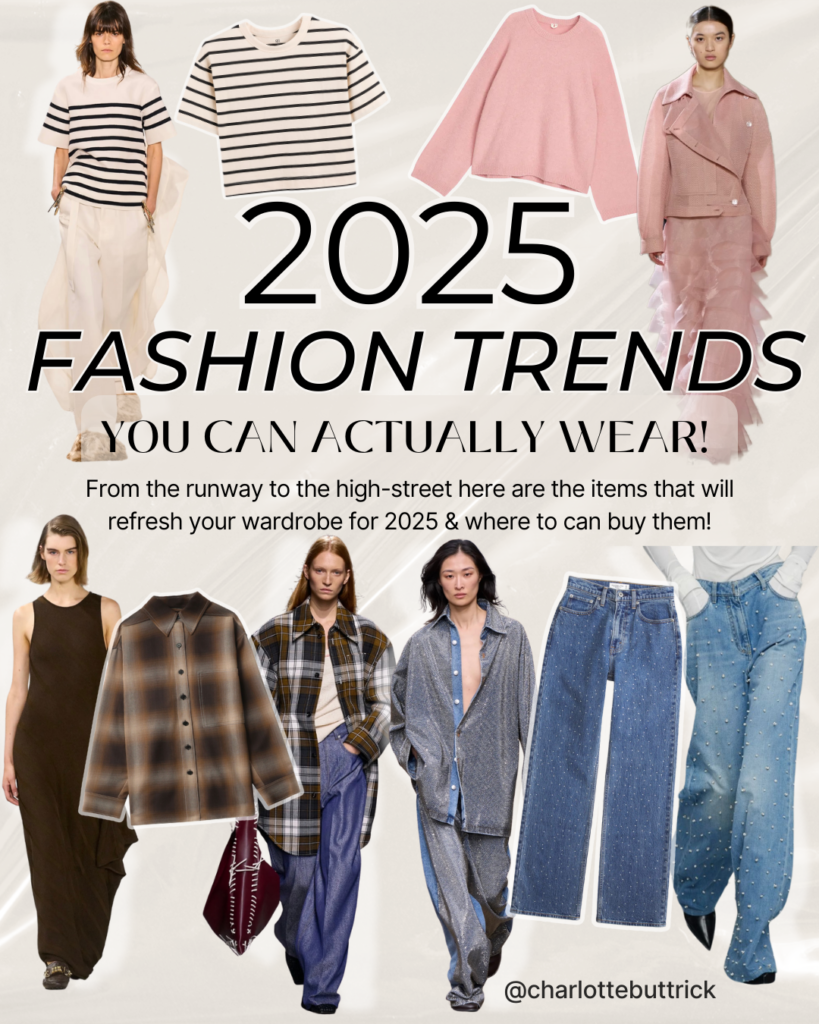
After years of minimalism and “quiet luxury,” 2025 celebrates maximalism and emotional depth. Collections worldwide showcase dramatic silhouettes—think power shoulders, voluminous layering, and rich textures like velvet and faux fur. Trend forecasters call this era “Frazzled But Fabulous,” where chaos meets chic, and individuality reigns supreme.
Copenhagen The Rise of Fashionista in 2025 Fashion Week continued this momentum, spotlighting voluminous “Big Dress Energy,” bold prints, handcrafted basket-style accessories, and avant-garde statements like rat‑shaped bags and flip‑flops with refined flair.Financial Times The message is clear: fashion is not just worn—it’s narrated.
2. Threads of Sustainability and Circularity
Sustainability isn’t an afterthought—it’s central. Circular in The Rise of Fashionista in 2025 fashion has emerged as a cornerstone, shifting brands from linear “take–make–waste” systems to closed-loop practices. Think recycling, upcycling, rentals, and longevity-focused design.
Innovative materials also take center stage: from mushroom-based Mylo™ leather and apple- or pineapple-derived fabrics to lab-grown leather that reduces CO₂ emissions by up to 90%. Brands are increasingly using regenerative cotton, recycled polyester, and algae-based textiles.
And it’s not just about material. Supply chain transparency is progressing through tech—blockchain product passports, AI forecasting, and digital sampling are tools helping brands reduce waste, ensure ethical practices, and deepen consumer trust.
3. Technology Weaving into Fabric
Technology isn’t just an accessory—it’s embedded in the garments. Smart textiles that monitor heart rate and body temperature are becoming mainstream, and color-changing AR fabrics are edging toward wearable art.Garments Educations Virtual try-ons and digital-only collections help reduce returns and overproduction, while AI and blockchain improve supply chain efficiency and transparency.
4. Inclusivity and Adaptive Innovation
Fashion’s expansion now includes adaptability and inclusivity. Adaptive clothing—characterized by magnetic closures, wider openings, and seamless construction—caters to individuals with disabilities, aging populations, and anyone seeking comfortable, functional design.
Gender-neutral lines are growing, too, reflecting the move toward The Rise of Fashionista in 2025 fashion that transcends traditional binaries. And representation is improving, with models with disabilities and different body types finally appearing on runways and campaigns.
5. Heritage Narratives and Cultural Storytelling
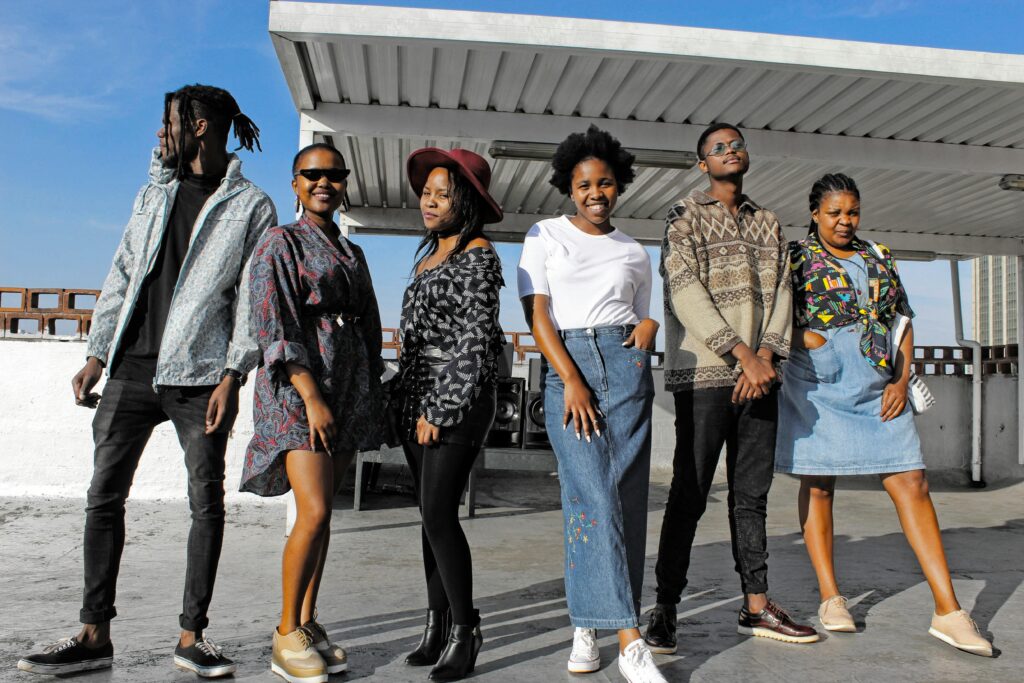
The Rise of Fashionista in 2025 Fashion in 2025 isn’t just global; it’s also deeply local and culturally grounded. “Country to Couture,” a groundbreaking fashion showcase in Australia, brings Indigenous stories to life via garment design, music, and performance—supporting artists economically and culturally.
Elsewhere, localized circular initiatives—like transforming discarded plastic in the Himalayas into The Rise of Fashionista in 2025 fashion items—demonstrate how sustainability and storytelling intersect within communities.The Times of India
6. Social Creativity: Dupes, Patterns, and Thrifted Style
Fashion isn’t just crafted—it’s remixed. The rise of “dupe culture” shows how Gen Z reinterprets luxe through affordable, legally inspired alternatives found across TikTok and beyond. Brands are even engaging with these trends, leading campaigns like dupe swaps.
Classic patterns like polka dots are resurfacing—but beware of fatigue. Designers are reinventing this motif through sustainable practices and unexpected silhouettes.Vogue And thrifting is no longer fringe—secondhand and vintage markets boom as stylish means to sustainability and uniqueness.
Conclusion: A Fashionful Future
2025 marks a pivotal moment where The Rise of Fashionista in 2025 fashion defies stereotypes, blends technology, embraces heritage, empowers inclusive narratives, and champions environmental accountability. It’s a year where garments do more than clothe—they communicate values, stories, and a shared responsibility for the planet and its people.